
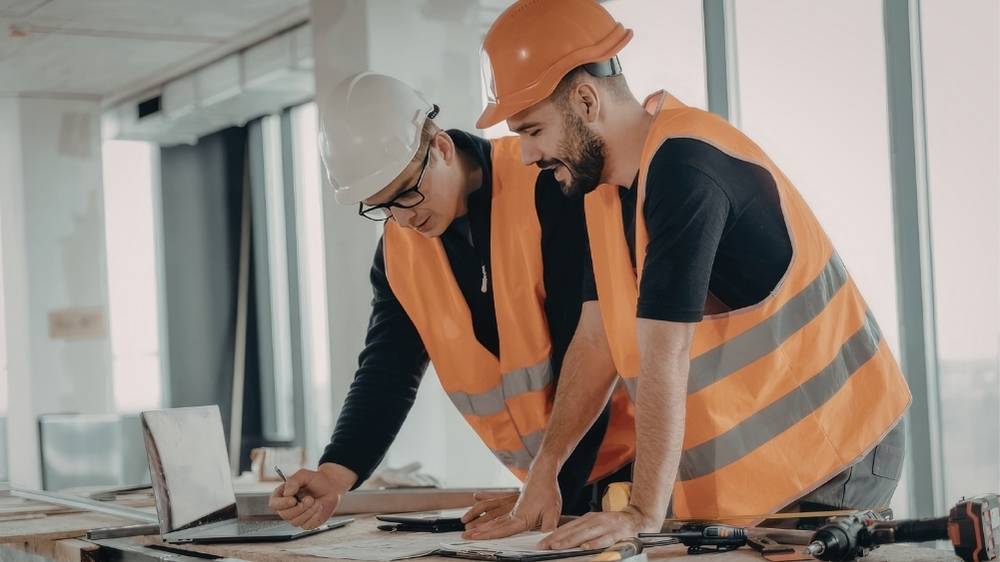
When you walk onto a major construction site, your eyes are naturally drawn to the rising skeleton of the building. You see the steel beams, the glass facades, and the permanent structures that will stand for decades. However, what many people fail to notice is the vast, complex network of structures that are only there to make the permanent building possible. This is the world of temporary works, and it is arguably the most dangerous and volatile aspect of any construction project. Because these structures are temporary, they are sometimes treated with less reverence than the final building, which is exactly why the role of a Temporary Works Supervisor is so vital.
Temporary works include everything from the scaffolding that allows bricklayers to reach the upper floors to the massive timber or steel props holding up a ceiling while a load-bearing wall is removed. It covers the piling mats that support heavy machinery and the deep trenches that need to be shored up so that groundworkers can lay pipes without the earth collapsing around them. If any of these things fail, the results are almost always catastrophic. That is why the industry relies on a specific management structure to ensure that nothing is left to chance.

What exactly does a Temporary Works Supervisor do day to day
It is a common misconception that a supervisor just stands around with a clipboard. In reality, a Temporary Works Supervisor is the eyes and ears of the project management team on the ground. Their primary responsibility is to ensure that the temporary works are installed, used, and dismantled according to the specific design and the agreed-upon method statement. They are the bridge between the high-level engineering designs and the practical, often messy reality of a live construction site.
On a typical morning, a supervisor might be found inspecting a newly erected section of scaffolding. They aren’t just looking to see if it looks right; they are checking against a specific drawing. Are the ties in the right place? Is the boarding secure? Has the ground settled under the base plates? They also manage the various registers and inspection records that are legally required. If a piece of equipment is damaged or a site condition changes—such as heavy rain softening the ground under a crane—the supervisor is the one who must step in and stop works if necessary.
Key responsibilities of the role
- Verifying that all temporary works are installed as per the approved design drawings.
- Conducting regular inspections and maintaining detailed records in the site registers.
- Ensuring that all personnel working on or around temporary works are fully briefed on the risks.
- Identifying any changes in site conditions that might affect the stability of temporary structures.
- Assisting the Temporary Works Coordinator in managing the overall safety of the project.
- Supervising the safe dismantling of structures once they are no longer required.
The crucial difference between a Coordinator and a Supervisor
In the hierarchy of site management, there is often some confusion between the Temporary Works Coordinator (TWC) and the Supervisor (TWS). While they work closely together, their focuses are different. The Coordinator is usually responsible for the high-level management. They ensure a Temporary Works Design Brief is created, they appoint designers, and they manage the ‘Permit to Load’ system. They are the ones looking at the long-term programme and ensuring all the legal boxes are ticked.
The Supervisor, on the other hand, is much more involved in the physical execution. If the TWC is the architect of the safety plan, the TWS is the one making sure the plan is actually followed by the subcontractors. For example, the TWC might issue a permit to load a scaffold, but they do so based on the TWS confirming that the scaffold has been built exactly to the specification. This double-check system is what prevents accidents. It ensures that one person is looking at the paperwork and another is looking at the physical bolts, pins, and boards.
Why specific training is non negotiable
You cannot simply ‘fall into’ the role of a supervisor based on years of general site experience alone. The technical requirements are too specific. Understanding the British Standard BS 5975, which is the code of practice for temporary works, is essential. This document provides the framework for how temporary works should be designed and managed, and a supervisor needs to understand how their role fits into that legal structure.
Most employers look for a recognised certification, such as the CITB Site Safety Plus course. This training covers the legalities, the technical aspects of various temporary works types, and the practicalities of risk management. It gives the supervisor the confidence to challenge a subcontractor who might be trying to cut corners to save time. In an industry where ‘getting the job done’ is often the priority, the supervisor needs the authority and the knowledge to say ‘no’ when safety is being compromised.
Common types of temporary works that require supervision
- Scaffolding and access towers used for height work.
- Formwork and falsework used during concrete pouring operations.
- Trench sheeting and shoring for excavations and utility works.
- Propping and needling during structural alterations or refurbishments.
- Piling mats and crane outrigger pads for heavy lifting.
- Cofferdams and water-retaining structures in civil engineering.
- Site hoarding, fencing, and temporary signage.
The human element of the job
Beyond the technical drawings and the legal registers, being a successful supervisor requires excellent communication skills. Construction sites are high-pressure environments. When a project is running behind schedule, there is an immense amount of pressure to move quickly. A supervisor often has to deliver news that people don’t want to hear—that a scaffold isn’t ready, that a prop needs replacing, or that a trench isn’t safe to enter.
Being able to explain ‘why’ a certain measure is necessary is just as important as knowing ‘how’ to fix it. A supervisor who can build a rapport with the labour force will find it much easier to maintain high standards. When the workers on the ground understand that the supervisor is there to keep them safe, rather than just to catch them out, the entire culture of the site improves. This cultural shift is often the most significant contribution a supervisor makes to a project.
How the role is evolving with technology
The construction industry is traditionally slow to change, but technology is starting to make its way into the world of temporary works. We are now seeing the use of digital sensors that can monitor the load on a prop in real-time, sending an alert to a supervisor’s phone if the pressure exceeds a certain limit. There are also apps designed specifically for site inspections, allowing supervisors to take photos of a structure, tag it to a specific drawing, and upload it to a central register instantly.
While these tools are incredibly helpful, they don’t replace the need for a human being on site. Sensors can fail, and apps can’t see the ‘big picture’ of how different tasks are interacting on a busy site. The role of the supervisor is becoming more data-driven, but it still relies on that fundamental human ability to look at a situation, apply years of experience, and make a judgement call. As buildings become more complex and sites more cramped, the expertise of a dedicated professional who understands the temporary forces at play becomes more valuable than ever.

David James is fourth in the ranking for most appearances in the Premier League – 572 games. In front of him are only Ryan Giggs, Gareth Barry and Frank Lampard. Until December 2015, he held the record for the goalkeeper with the most “dry nets” in the history of the Premier League – 169, before Peter Cech broke the top achievement.